First Principles
Aristotle called them “Archai” or the “starting points”. The simplest, most fundamental truths a system is built on. The ultimate starting point.
Essentially, we all start with beliefs that are known to us, and we must work backwards to find what truths those are actually built on (first principles).
First principles underlie all of human knowledge and understanding. This foundational concept helps break down complex issues into their most basic components. This strips away assumptions to get to the fundamental building blocks of a concept, problem, or system. This is a very good way to build better understanding of concepts you may not know as well, or develop a fresh perspective for some of those concepts you spend your life’s work on.
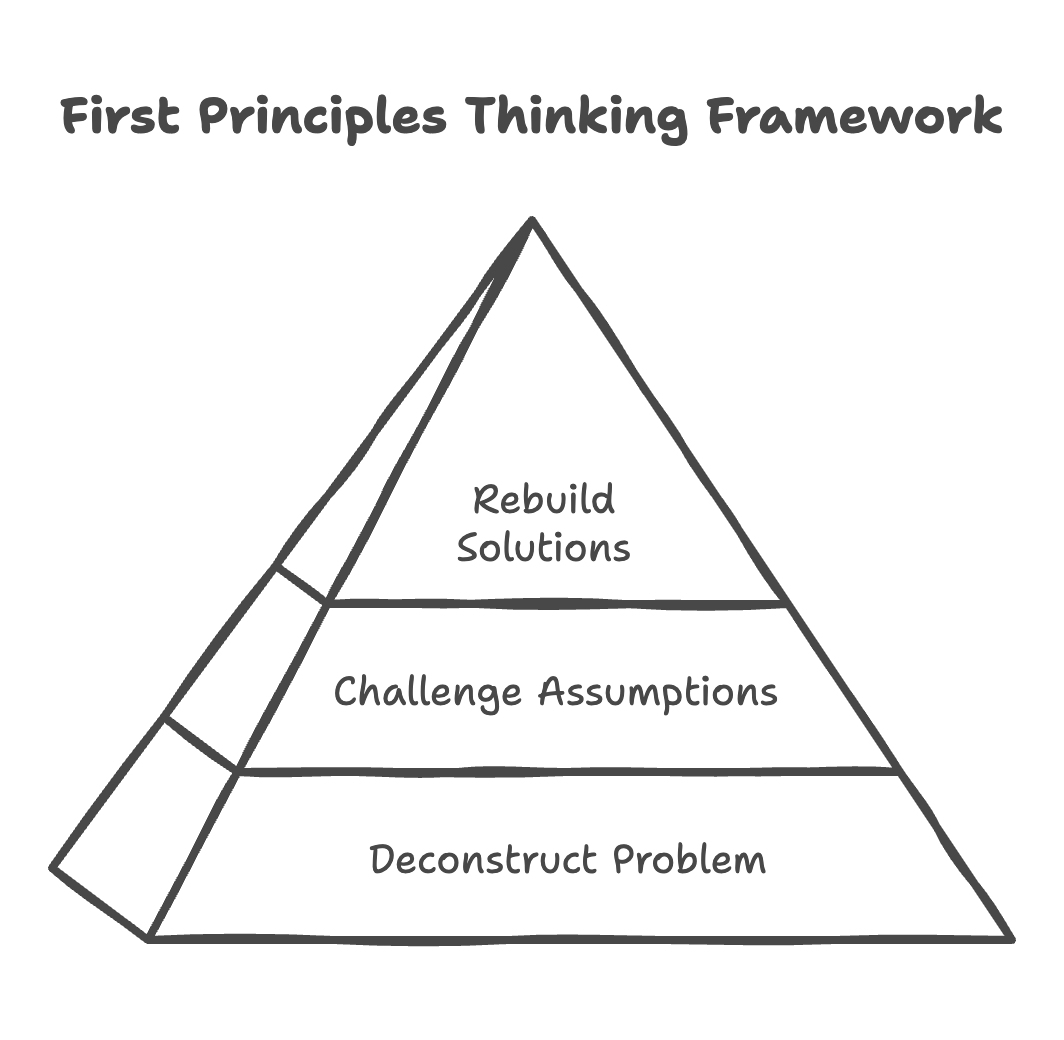
I’ll use a motorcycle as my first example here. Personally, I have very little skill in regards to vehicle repair. If I were interested in completing repairs on my motorcycle or wanted to learn more about how a motorcycle works, it would probably be a big waste of time diving right into the complexities of engine mechanics or transmission systems. Instead, I may find more benefit studying the basic principles of motion, energy transfer, and material sciences. From there, I’d break the motorcycle down into its most basic parts (like wheels, gears, axles) and figure out how each one actually contributes to the function of the motorcycle. That’s a lot more useful than memorizing repair steps or complex systems I don’t even understand in the first place. Chase depth over width. This ground up approach will develop a true intuitive sense of how things work.

Working in first principles can help one tackle any type of problem. Many things can naturally get in the way.
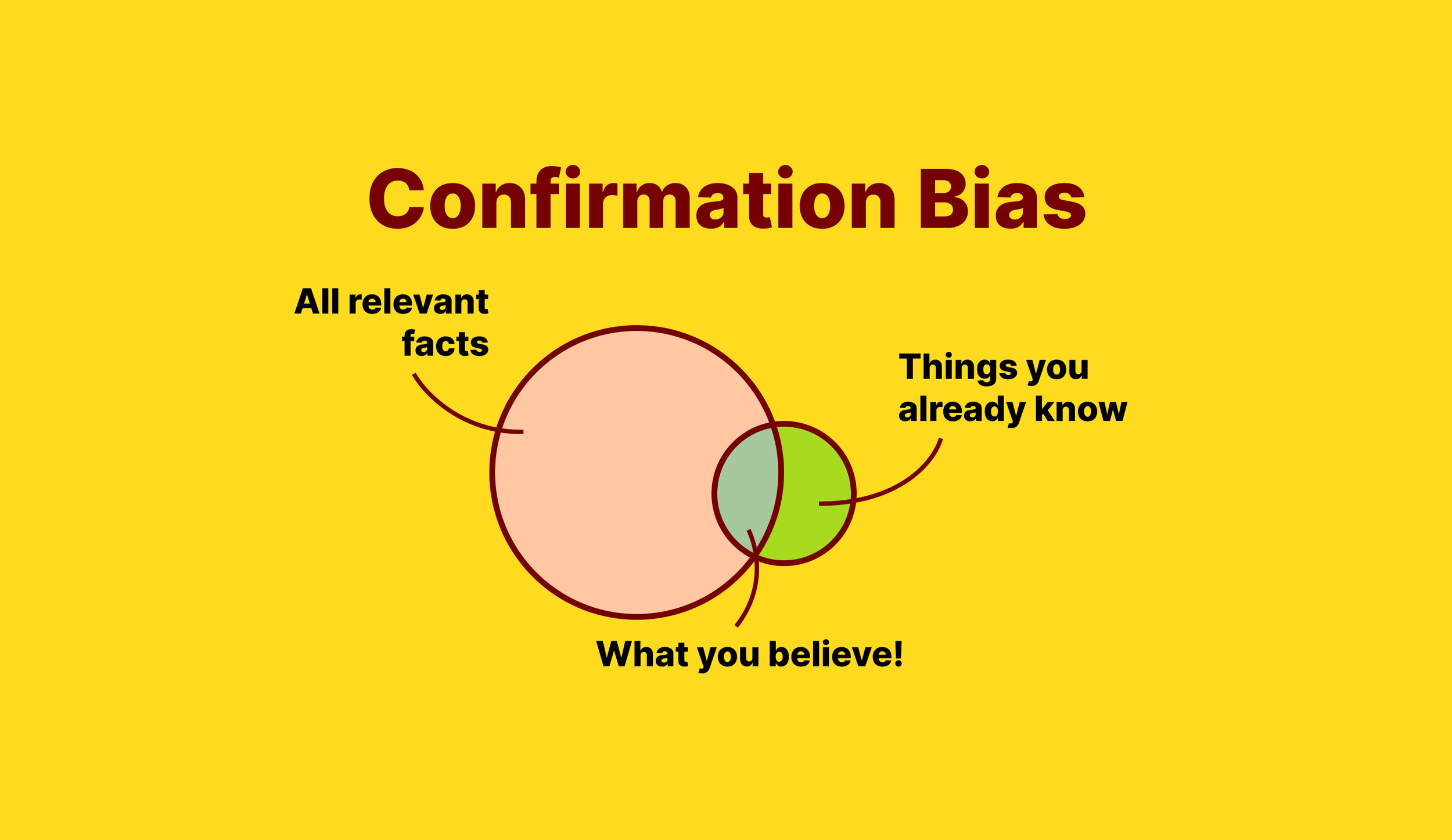
Confirmation bias is one of the most significant and common obstacles to adopting a first principles approach. With the amount of studies, research papers, “gurus” spewing information on Instagram, and so on, it has never been easier to find information that heavily supports any and all opinions one may have. We’ve all been guilty of this at some point or another. To avoid falling victim to confirmation bias, make it a habit to regularly challenge your current assumptions by considering alternative explanations and outside information.
The fear of complexity can be another significant obstacle to adopting first principles thinking. In sport, one may be faced with unfamiliar training methods or uncertain outcomes and this can lead coaches/practitioners to rely on established programming rather than exploring new ideas. This fear can lead to dismissing new tools outright or clinging dramatically to "the way it has always been done." The opposite can also be true, as coaches can heavily rely on new tools for the sake of novelty.
Another example, consider the early days of basic weighted ball training. I’d say north of ninety percent of coaches were very skeptical of the method due to concerns of injury, lack of long-term data, and departure from traditional baseball training philosophy. Instead of examining the underlying mechanism of overload/underload training, which has been around for a very long time, much longer than Driveline Baseball, Texas Baseball Ranch, Mike Marshall, and even Tom House (NPA) somehow, many coaches completely dismissed these overload and underload training balls. Coaches that understood exposing the athlete to variable stimuli to drive specific adaptation, the same underlying principle that’s been used in strength training for decades, ended up far ahead of the curve. Early adoption of a highly beneficial new tool does not mean you will stay ahead of the curve either.

I find it very essential to develop a willingness to tolerate uncertainty and evaluate new methods on their underlying mechanism rather than the unfamiliarity associated with the method or tool. Discover what the method or tool is actually doing physiologically for the athlete. An old tool may be incredibly useful; a new tool may be pointless. The opposite can also be true.
So where to begin with reframing your process with all of this?
Begin by being more intentional with how you approach the problems you are currently facing. Instead of jumping straight into the same old solutions, ask yourself questions like
What assumptions are driving this decision I am about to make?
How can you actually separate the problem and and the symptoms?
Read outside your comfort zone, seek out diverse perspectives frequently, and be willing to change your mind when presented with rock solid evidence. Consider tracking observations, questions, and insights on a regular basis.
This will help develop a true “growth mindset” and make it easier to identify areas for one’s own improvement.
As you start applying first principles thinking, remember that it is not just blindly rejecting current wisdom you already have, but questioning it and seeking out the underlying reasons why that wisdom may even exist, or why certain decisions get made. Some wisdom sticks around for generations because it is incredibly robust.
Start by simplifying complex issues into smaller, manageable parts, identifying key variables, or exploring different perspectives. This has helped me tremendously in tackling tasks that can be overwhelming at first.
While it is essential to question assumptions and conventional wisdom, as I previously mentioned it is also important to leverage existing knowledge and expertise. By combining the two approaches, you’ll be able to create a robust understanding of complex issues and develop innovative solutions, and learn a hell of a lot in the process.
